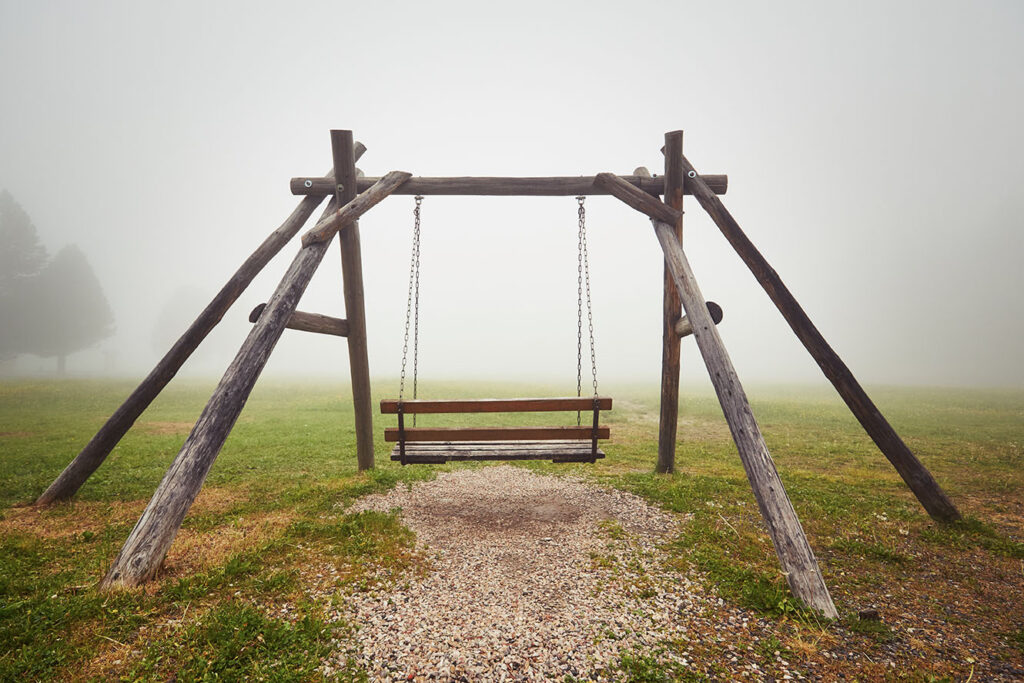
Alone and Lonely

One of the keenest, most painful parts of being widowed is the sensation of feeling alone and lonely, often after a lifetime of companionship. Of course, each person’s journey is different; some may have never lived on their own, moving from their parents’ home to their spouse’s, others may have had a rich and lengthy single life before finding a life partner. And no one relationship has the same balance of ‘togetherness’ and time apart as another. Some of us have jobs or commitments that keep us away from our loved one for stretches at a time and others are rarely apart, some are happy in our own company and others have a big need to connect at the end of the day. Indeed, navigating these sometimes differing needs for autonomy, space, habits, separate interests and the companionship of others can be the source of a relationship’s more challenging moments!
But in all relationships full of love that last unto (and even beyond) death, there is a basic companioning, a simple witnessing of each other’s life that belies the feeling of ‘existential loneliness’ at the heart of the human condition. Even when your spouse may be physically far from you (on a long trip far away for example,) the knowledge that they are coming back to the circle of your arms is like an unbreakable thread between your hearts. Knowing that you will never again (at least in this world) behold them with your eyes, hear their voice and feel their touch casts you into a world of separateness you could never have imagined.
Yet I’ve come to believe that ‘alone’ and ‘lonely’ are two very different things. Being ‘alone’ after being partnered is at one and the same time a simple description of a change to your life and a huge alteration in almost every aspect of your being. From a couples’ world you re-enter the world of being single and may find friendships, social situations and even family relationships bewilderingly changed. ‘Couple’ invitations may not be as readily proffered to suddenly ‘single’ you (when looking for a date or a new love is the very last thing on your mind!) or you may find yourself flung back into family of origin dynamics without the mitigating presence of your spouse. Tasks that once were shared are yours alone to do and now seem to take twice as long or are far more difficult. The silence of the house you shared is deafening. Even simple things you used to enjoy together – a cup of tea or a favourite TV show – may now just serve to remind you of what you’ve lost.
And, to be certain, the loneliness that follows the loss of a life partner can be excruciating. It is the heart’s longing for the beloved and cannot be easily assuaged by the mere presence of another person. Because it’s not just that you are alone, it’s that the one you love has left you. Early on, in the depths of my loneliness, I tried to ‘reason’ my way out of it. I would say to myself “What if I had never met Peter and had adopted these kids on my own? I would still be in the exact same situation (a single parent of two young children) and wouldn’t feel sad at all!” But of course, it doesn’t work that way. On a heart level, you can’t avoid the loneliness inherent in losing your beloved. Like tears, shock, and trauma, it’s an inevitable part of the journey. But loneliness is a fundamental longing for what you have lost and a feeling of being bereft of companionship, and being alone is a simple state of being in which you may or may not experience loneliness. It’s important to recognize the difference between them so you can best understand how to help yourself face them both.
When we feel lonely, most of us will have a few dear hearts who really understand and want to help. Sometimes just a simple plan to use up a few hours of the day with a friend can get you through the worst of lonely times. Animal companions can be wonderful when you just can’t put your feelings into words, answer the door or the phone. Support groups and yes, even online communities (like this one!) can help us realize that although we miss the one we have lost, we are not the only one in the world to feel this way and others can help. Having a plan to help assuage your own loneliness is good for your health – physical, mental, emotional and spiritual, so ask someone to help you make a plan! I made sure I had a walk with at least one friend every day. It gave me something to look forward to and took the ‘edge’ off my loneliness until time did its healing work.
Ironically, I also found that losing my spouse actually changed how I felt about being alone. I said to Peter (my quite introverted husband) a few weeks before he died “I think you’re turning me into an introvert” to which he fist-pumped “Yes, finally!” In truth, I felt overwhelmed by the sheer emotional intensity of everything that was happening and needed a lot of time to process it all. I had a lot to think about and a lot to feel. I couldn’t deal with an endless stream of input, no matter how well-intentioned. This only intensified when he died and I needed to be alone with my thoughts and feelings. I spent a lot of time that spring alone in my living room, with a fire in the fireplace and his ashes by the window with a candle and a posey, turning the pages of my memories.
What I discovered is that time alone doesn’t always have to be lonely. It can be a time to remember and cherish, time to think and plan, time to rest and recuperate. And many religions and spiritual practices recognize time alone with a different word – Solitude. Solitude – intentional aloneness – can be a doorway to deeper spiritual truths often hidden by the cacophony of daily life. Over time, I believe you will come to understand how to care for yourself when you are lonely, when you are alone and when you are in need of solitude.